
Resources
Helpful Information and Support
During times of loss, having access to clear, helpful information can make difficult decisions a little easier.
Our resources are designed to provide guidance, answer common questions and help families navigate funeral arrangements with greater confidence.
Explore Our Resources
-
Funeral Planning Guide
A simple guide to help you understand the process, consider your options and prepare meaningful arrangements.
-

Frequently Asked Questions
Helpful answers to common questions about funeral arrangements, services, documentation and more.
-
Understanding Grief
Compassionate information and resources to support individuals and families as they navigate the grieving process.
-
Family Resources
Practical guidance and useful information to help families during a time of loss.
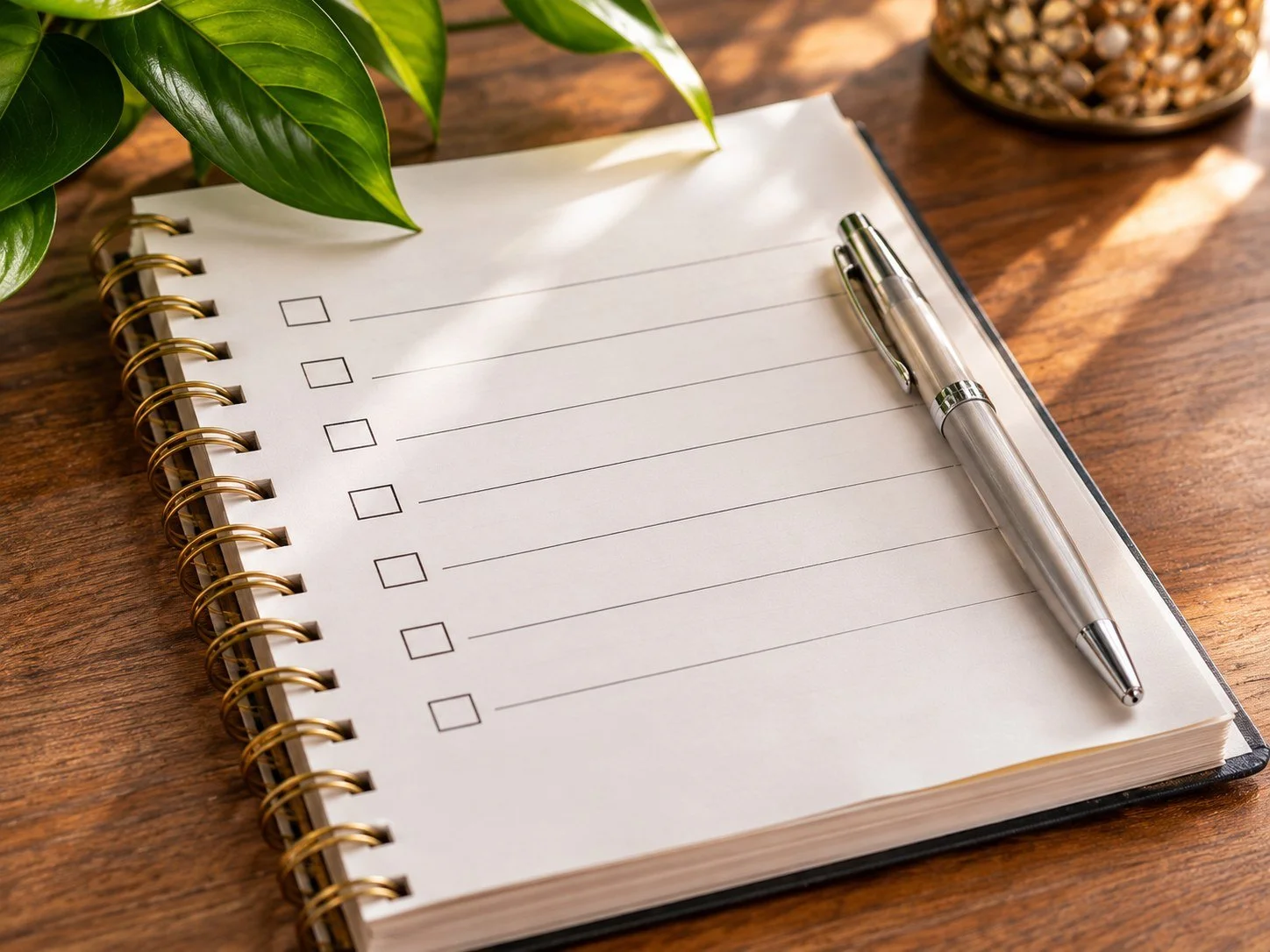
Every situation is different, but these are the usual steps in Jamaica. Our team will guide you through each one.
1. Report the death. If your loved one passes at home or the death is sudden, contact the police. For a natural death, also contact the doctor who treated them, if they were seen within the last three months. If they pass in hospital, the staff will guide you.
2. Get the right certificate. For a natural death, the doctor completes the Medical Certificate of the Cause of Death. A sudden or violent death needs a post-mortem; the police then issue a burial order, and the Coroner’s Court issues a Certificate of Coroner (Form D).
3. Contact us. We can collect your loved one and begin arrangements with you, at a pace that feels right for your family.
4. Register the death. For a natural death, take the medical certificate to the Registrar General’s Department within five days. A relative, an adult who was present at the death or the person arranging the funeral can register it, and we can help.
5. Receive the burial order. Once the death is registered, a burial order is issued. It is needed before the burial or cremation can take place.
6. Plan the service. Together we’ll choose burial, cremation or a memorial service, and personalise the details that honour your loved one.
7. After the funeral. Request copies of the death certificate (at least three is a good idea), keep all funeral receipts, and gather important papers such as the will, land titles and birth and marriage certificates. An attorney who handles estates can guide you through the next steps.
Funeral Planning Guide
What to Do When a Death Occurs
FAQs
Common Questions
Find quick answers to some of the questions families often ask about funeral arrangements and our services.
-
If your loved one passes at home, contact the police and their doctor. If they pass in hospital, the staff will guide you. Then call us. We can collect your loved one and walk you through each step, including registering the death.
-
For a natural death, you’ll need the Medical Certificate of the Cause of Death from the doctor. For a sudden death, the police burial order and Coroner’s certificate are needed instead. Please also have your loved one’s identification. Natural deaths should be registered within five days, and we’ll help you gather everything.
-
Yes. We’ll work with you on the service, music, programmes, flowers and traditions so the farewell truly reflects your loved one.
-
Yes. Our locations are in New Forest District and Plowden, Manchester, and we serve families across Jamaica.
-
Yes. Fill out our contact form, call, WhatsApp or email us to set up a time, or visit our office. We’ll talk through your options with no pressure.
-
Yes. We offer burial, cremation and memorial services, and we’ll help you choose what best suits your family’s wishes, traditions and beliefs.
-
Yes. We offer repatriation of remains to Jamaica. We work with the funeral home in the country where your loved one passed and handle the arrangements here, including the transit permit and the documents needed to receive your loved one.
Grief is a natural response to losing someone you love, and there is no right or wrong way to feel. It can come in waves, and it often takes time.
Allow yourself time: healing does not follow a schedule, and it is okay to have good days and difficult days.
Lean on others: family, friends and your faith community can offer comfort. Talking about your loved one can help.
Look after yourself: try to rest, eat regularly and step outside when you can.
Support children gently: use simple, honest words and let them share their feelings and memories.
If your grief feels overwhelming or does not ease over time, please reach out to your doctor, a counsellor or a trusted spiritual leader.
Understanding Grief
Caring for Yourself Through Loss
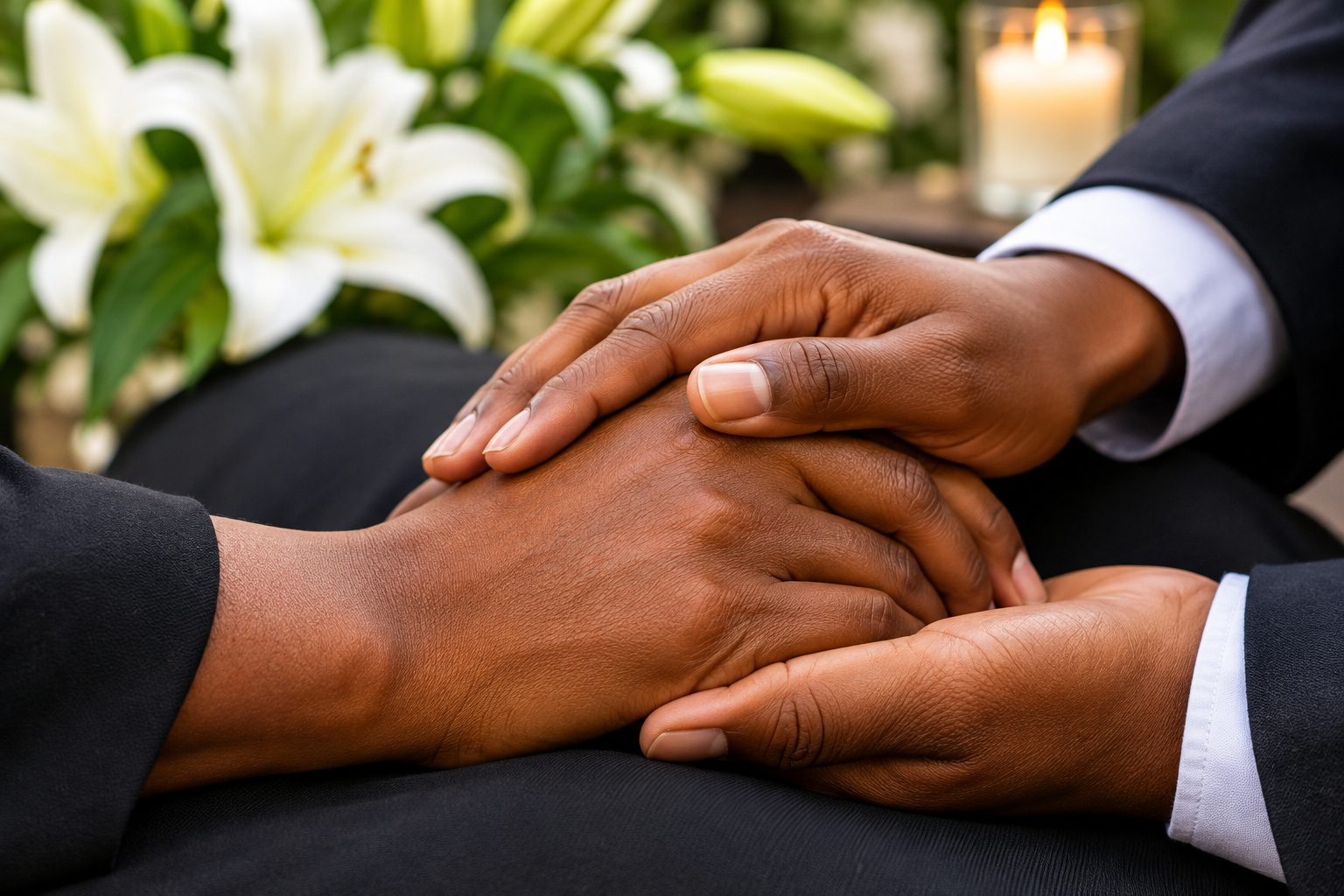
Documents that may be helpful to have ready:
• The Medical Certificate of the Cause of Death, or the police burial order and Coroner’s certificate for a sudden death
• Your loved one’s identification, such as a passport, driver’s licence or national ID
• Details of any insurance policy or funeral plan
• Their will, if there is one, and any wishes they shared about their funeral
Bringing a loved one home: we offer repatriation of remains to Jamaica. This involves a funeral home in the country where your loved one passed, a transit permit from the Ministry of Health, and documents such as the death certificate and embalming certificate. A death that happens overseas does not need to be registered again in Jamaica. We coordinate the process with you.
Official information: the Registrar General’s Department handles the registration of deaths and death certificates. Visit rgd.gov.jm for details.
Requirements can change, so our team will confirm what applies to your situation.
Family Resources
Helpful Information for Families
You Don’t Have to Navigate This Alone
We understand that losing a loved one brings emotional and practical challenges.
If you have questions or need help understanding the funeral planning process, our team is here to listen and offer guidance with compassion and respect.